How to Choose a Lab Heating Mantle in Australia
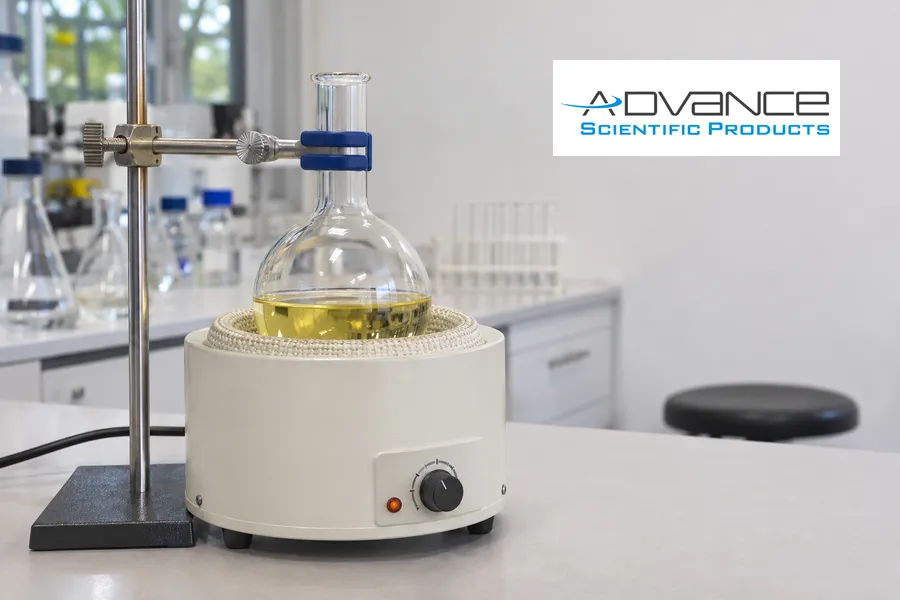
A laboratory heating mantle is an important piece of equipment for controlled heating in chemistry and research applications. Choosing the right model depends on flask size, temperature requirements, heating accuracy and the type of experiment being performed. Understanding these features can help laboratories select equipment that suits their daily work.
This guide covers the key factors to consider before purchasing a heating mantle in Australia.
What Is a Laboratory Heating Mantle?
A lab heating mantle is an electrical heating device designed to heat round-bottom flasks and other compatible laboratory vessels. It contains an enclosed heating element within an insulated structure that supports the flask during heating.
Unlike a Bunsen burner, a heating mantle does not expose the vessel to a direct flame. It is commonly used for laboratory procedures that require controlled heating, including reflux, distillation and chemical reactions.
The equipment is available in different capacities and configurations, including heating-only models and units with magnetic stirring functions.
Different Types of Laboratory Heating Mantles
Heating mantles are available in different designs to suit laboratory procedures and equipment requirements. Understanding the available options helps narrow down the right model.
1. Standard Heating Mantles
Standard heating mantles provide heat without an integrated stirring function. They are suitable for applications where the sample only needs to be heated.
These models are available for different round-bottom flask capacities, allowing laboratories to select equipment based on their vessel requirements.
2. Digital Heating Mantles
Digital heating mantle setups use electronic temperature controllers to adjust and monitor heating conditions. Depending on the controller, features may include digital displays, temperature feedback, programmable settings and safety limits.
They are useful for laboratories that need more precise temperature adjustment and repeatable operating conditions.
3. Heating Mantles with Magnetic Stirrers
A heating mantle with a magnetic stirrer combines heating and mixing in one unit. It uses an electromagnetic mechanism to rotate a magnetic stir bar inside the flask.
This configuration is useful when a sample needs continuous mixing during heating. It can reduce the need for separate heating and stirring equipment.
4. Heating Mantles with Separate Controllers
Some heating mantles are supplied with compatible external temperature controllers. These allow operators to adjust heating settings and, depending on the model, monitor temperature through a sensor.
Separate controllers can also provide additional features such as adjustable safety limits and independent stirring controls.
How to Choose the Right Lab Heating Mantle
Selecting a suitable model involves considering the experiment, flask capacity and required level of temperature control.
1. Check Flask Capacity
Flask capacity is one of the first specifications to consider. The heating mantle should match the size and shape of the vessel being used.
Consider:
- The volume of the flask.
- The shape and dimensions of the vessel.
- The amount of material being heated.
- Compatibility with the mantle's internal design.
Avoid selecting a mantle based only on the volume of liquid. Check the manufacturer's recommended flask capacity and dimensions.
2. Consider Temperature Requirements
Different experiments require different heating conditions. Check the maximum operating temperature of the mantle and the temperature range supported by its controller.
Also consider whether the system provides temperature feedback through a PT100 sensor or thermocouple. This can be important when accurate control of the sample temperature is required.
3. Decide If Magnetic Stirring Is Needed
If the experiment requires continuous mixing during heating, consider a heating mantle with a magnetic stirrer.
Check the available stirring speed, flask compatibility and controller requirements. The stirring capacity should suit the sample volume and viscosity.
For heating applications that do not require mixing, a standard mantle may be sufficient.
4. Compare Control Features
Temperature controllers vary in their functionality. Basic models may provide manual adjustment, while advanced controllers can offer digital displays, programmable settings and temperature feedback.
Check the following features:
- Temperature adjustment range.
- Display of set and actual temperatures.
- Sensor compatibility.
- Independent stirring speed control.
- Adjustable safety temperature limits.
- Alarm and communication features, if required.
Choose control features based on the level of accuracy and repeatability needed for your laboratory work.
5. Review Construction and Safety Features
The construction of a heating mantle affects its durability and suitability for regular laboratory use.
Look for a stable housing, suitable insulation and an internal surface designed to accommodate the flask. Some models also include splash guards and safety shields.
Check that the equipment is compatible with your laboratory setup and can be operated according to the manufacturer's instructions.
Safety Considerations When Using a Heating Mantle
Heating mantles operate at high temperatures, so correct handling and regular inspection are essential.
Follow these precautions:
- Check the mantle, power cable and connections before use.
- Do not operate equipment with damaged insulation or exposed heating elements.
- Use only compatible flasks and controllers.
- Follow the manufacturer's instructions for electrical connections and temperature settings.
- Keep liquids and chemical spills away from the heating element.
- Position the equipment on a stable, suitable laboratory surface.
- Allow the mantle to cool before handling or cleaning it.
- Keep flammable materials away from the heating area.
Never exceed the manufacturer's recommended operating limits. Do not leave heating equipment unattended unless the equipment and laboratory procedure are specifically designed for safe unattended operation.
Heating Mantles from Advance Scientific
Advance Scientific supplies laboratory heating mantles and temperature controllers for research, chemical and analytical science applications across Australia.
Its range includes Wiggens heating mantles for spherical flasks, with capacities from 50 mL to 72 litres. The company also offers heating mantles with integrated stirring functions for flask capacities up to 3 litres.
Available options include:
- Standard Heating Mantles: Models for different spherical flask capacities.
- Stirring and Heating Mantles: Combined heating and electromagnetic stirring.
- Heating Mantles with Controllers: Compatible equipment for temperature adjustment and monitoring.
- Temperature Controllers: Options for heating, stirring and programmable temperature control.
Selected Wiggens stirring and heating mantle models offer operating temperatures up to 450°C and stirring speeds from 50 to 750 rpm when used with the compatible controller.
Advance Scientific also supplies the PL524 Pro-Stir controller, which includes a digital touchscreen, independent temperature and stirring controls, adjustable safety temperature settings and sensor feedback.
The company was established in 2013 and provides product distribution and customer support to laboratories and scientific equipment manufacturers across Australia.
Contact Advance Scientific to discuss your laboratory requirements and request a quote for a suitable heating mantle.
Final Thoughts
Choosing the right lab heating mantle depends on flask capacity, temperature requirements, stirring functions and the level of control needed for your experiments. Comparing these specifications can help you select equipment that suits your laboratory applications.
Before purchasing, check product compatibility, controller features and safety requirements. A suitable heating mantle can provide reliable heating for routine laboratory procedures and specialised research applications.
FAQs About Lab Heating Mantles
1. What is a heating mantle used in chemistry?
A heating mantle provides controlled heat to round-bottom flasks during laboratory procedures such as reflux, distillation and chemical reactions. It heats the vessel without direct flame contact.
2. Is a digital heating mantle better than an analogue one?
A digital controller can offer temperature displays, sensor feedback and more precise settings. Analogue controls may be sufficient for routine heating applications. The right option depends on the experiment.
3. Can a heating mantle be used with a magnetic stirrer?
Yes. Some heating mantles have integrated electromagnetic stirring functions. These models allow samples to be heated and mixed simultaneously using a magnetic stir bar.
4. How do I choose the correct heating mantle size?
Select a model that matches your round-bottom flask capacity and dimensions. Also consider the sample volume, temperature requirements and compatibility with the controller.
5. Where can I buy heating mantles in Australia?
Advance Scientific supplies heating mantles, stirring and heating models, and compatible temperature controllers across Australia. Its range includes Wiggens equipment for different flask capacities.
Categories
Subscribe to our newsletter so we can keep you informed about new product releases.
About Us
Advance Scientific Products Pty Ltd is based in Queensland and is focused on delivering high-quality products and service to our customers in the life, chemical and analytical sciences across Australia.
The company was established in 2013 by experienced instrumentation specialists to provide full distribution and customer support capability to manufacturers seeking to expand their activities in Australia without having to create their own sales and marketing infrastructure.